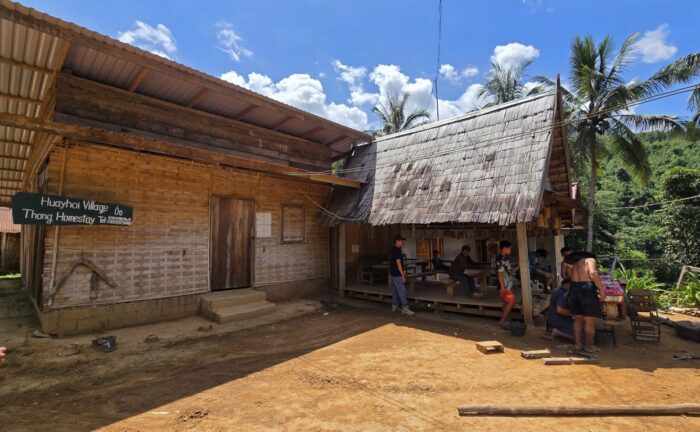
Stepping into a rural Lao village means stepping away from Western amenities. Staying with a local family is one of the most rewarding ways to experience Laos, but it requires swapping luxury expectations for raw, memorable authenticity.
Here is a breakdown of what to expect from the food, accommodations, and daily rhythm when you book an overnight rural homestay.
What to Expect from Lao Village Homestay Food
It’s time to leave your culinary comfort zone at the door. You won’t find tourist-tailored Pad Thai or Western breakfasts here; instead, you’ll be invited to sit on a woven floor mat and share an authentic, home-cooked family meal that reflects the true, resourceful nature of rural Lao life.
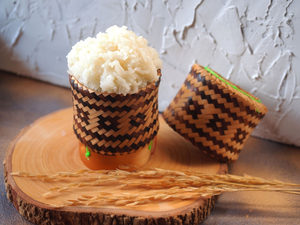
1. Khao Niew (Sticky Rice) is the Foundation
In Laos, sticky rice isn’t just a side dish—it is the centerpiece of every single meal. Served in woven bamboo baskets (kratip), you pinch off a small ball with your right hand, roll it, and use it as your utensil to scoop up meats, soups, and sauces.
2. Bold, Earthy Flavours and Fresh Ingredients
- Jeow: A smoky, fiery dipping paste made from pounded chili, garlic, and roasted eggplant or tomato.
- Forest Greens: Wild herbs, bamboo shoots, and greens gathered directly from the surrounding hills or home gardens.
- Aromatic Soups: Simple broths infused with lemongrass, galangal, kaffir lime leaves, and local herbs. Genrally expect a lot of bamboo soup. And little meatif any.
The food is fresh, rustic, and inherently organic. While it can be spicy, embracing whatever your host family graciously prepares for you isn’t just about nutrition—it’s the ultimate sign of respect and the fastest way to break down cultural barriers without speaking a single word of the same language.
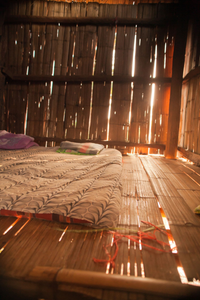
Simple Living: What to Expect from Homestay Accommodations
Accommodations in rural villages are basic, reflecting the everyday conditions of your host family’s home:
- Sleeping Arrangements: You will typically sleep on a thin mattress or futon pad laid directly on a woven bamboo or wooden floor, these days it could be concrete. A thin blanket and a mosquito net are provided—be sure to tuck the net securely under your mattress before nightfall and use your repellent.
- Shared Facilities: Bathrooms are almost always communal or located in a separate outhouse. Expect a squat toilet and a traditional bucket-and-dipper setup for bathing with cool, unheated water.
- Limited Power: Many remote villages rely on solar power or generators that shut down early in the evening. Bring a fully charged power bank and a headlamp to navigate at night.
Staying in a Lao village homestay isn’t about luxury—it’s about connection. By trading air conditioning and restaurant menus for floor mats and shared sticky rice, you get a rare, unfiltered look into one of the most hospitable cultures in the world.
Here is the ultimate packing list for an overnight rural homestay in Laos:
1. Essential Gear & Electronics
- Headlamp or Small Torch: Rural villages have minimal street lighting, and power often shuts off at night. A hands-free headlamp makes late-night trips to the outhouse much easier.
- Power Bank: Charging outlets may be limited, shared, or unavailable after dark.
- Microfiber Fast-Dry Towel: Compact, lightweight, and essential for bucket showers.
- Sleeping Bag Liner or Light Sheet: While host families provide bedding and mosquito nets, having your own silk or cotton liner gives extra comfort and peace of mind.
2. Toiletries & Health
- Biodegradable Soap & Shampoo: Wastewater in villages often drains directly into local soil or streams, so eco-friendly options are crucial.
- DEET Insect Repellent: Apply before dusk when mosquitoes are most active around riverbanks and wooden houses.
- Hand Sanitiser & Wet Wipes: Great for cleaning hands before meals (since you’ll be eating sticky rice with your fingers).
- Basic First-Aid Kit: Include anti-diarrhoeal medication, rehydration salts, painkillers, and blister plasters.
3. Clothing & Etiquette
- Modest, Breathable Clothing: Lightweight cotton or linen trousers/modest shorts and shirts that cover your shoulders (important for showing respect in traditional communities).
- Sarong (Lao Sinh or Large Scarf): Highly versatile—use it as a changing towel, a modest wrap for bathing at communal village pumps, or an extra light blanket.
- Slip-on Shoes or Sandals: You will be taking your shoes on and off constantly when entering homes and communal areas.
4. Small Gifts for the Host Family
- Useful Items: Fresh fruit from the local town market, cooking oil, coffee, or practical household supplies.
- For Children: Coloring books, pens, or small sports balls (avoid handing out sweets/candy, as dental care access in rural areas is very limited).
Laos, Southern Laos, Tourism, Travel

Comments RSS Feed