To understand Laos, you must understand the Sticky Rice (Khao Niao). Lao people often refer to themselves as “Luk Khao Niew”—the children of sticky rice. It is the heartbeat of every meal, served in hand-woven bamboo baskets called thip khao.
While many tourists stick to the safety of pad thai (which is Thai!) or basic fried rice, the “real” Lao kitchen is bitter, spicy, and incredibly herbaceous.
The Essential Dishes:
- Or Lam: A Luang Prabang specialty. This stew is thickened with mashed sticky rice and flavored with Sakhan (chili wood), which gives your tongue a slight numbing sensation similar to Sichuan pepper.
- Mok Pa: Fish steamed in banana leaves with lemongrass, dill, and kaffir lime. The result is a buttery, aromatic parcel of pure comfort.
- Jaew Bong: A sweet and spicy chili paste made with sundried chilies and thin strips of buffalo skin. It is the ultimate condiment for dipping your sticky rice.
- Jeow mak len is one of my favs and is a classic traditional Lao dip. This spicy tomato-based dip is known for its deep umami flavor, which comes from the tomatoes and grilled aromatics like shallots and garlic.
Community Spot: Visit the Luang Prabang Morning Market. Unlike the tourist-centric Night Market, this is where the locals trade form 4 am, later you get a few tour groups coming though as well. Look for the foraged mushrooms, living river fish, and the vibrant piles of herbs that define Lao health.
4. The Rise of Lao Coffee: From Bolaven to the World
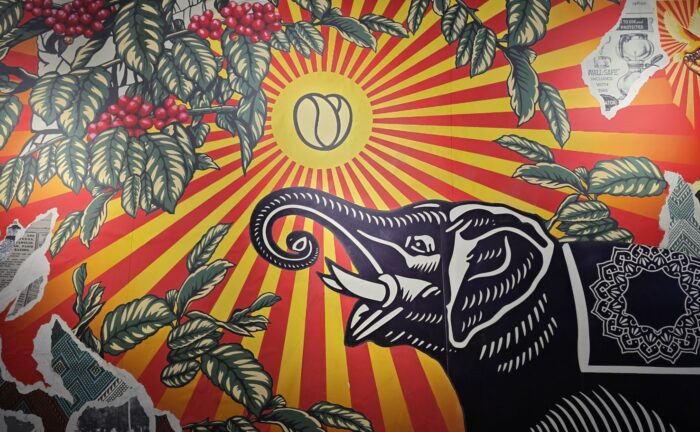
For decades, the Bolaven Plateau in Southern Laos was a hidden secret, producing high-quality beans that were often blended away into generic “Southeast Asian” exports. By 2026, that has changed. Lao specialty coffee is now a global contender.
The volcanic soil of the plateau creates a unique terroir—yielding Arabica beans that are remarkably smooth with notes of chocolate and citrus. But the story of Lao coffee is also a story of social progress.


Where to Sip with Purpose:
- Sahai Coffee (Luang Prabang) is a sustainable coffee roastery, café, and restaurant located on Sisavangvong Road in the heart of Luang Prabang. Housed within a beautifully restored colonial-era building, the space blends history, culture, and contemporary design. At the core of Sahai’s identity is its “Taste of Sharing” philosophy — a commitment to empowering farming communities through ethically sourced, fair-trade coffee, while delivering exceptional flavors. Sahai opened in 2024. Sahai do a coffee tour where the coffee is grown, It’s a great day out.
- Saffron Coffee (Luang Prabang): They work with over 800 organic hill-tribe farming families, providing them with a sustainable income that serves as a viable alternative to opium or slash-and-burn farming. Saffron’s coffee shop opened in 2016.
- Sinouk Coffee (Vientiane/Bolaven): A pioneer in the industry, Sinouk offers a “coffee trail” where you can see the entire process from cherry to cup.
- Jhai Coffee (Pakse): Known as the world’s first completely philanthropic roaster, they use their profits to build clean water pumps in the villages where their beans are grown.
Culture, Education, Laos, Luang Prabang, Travel

Comments RSS Feed