15 Countries Closing Their Doors to Tourists
Traveling is more accessible than ever, but for some of the world’s most iconic spots, the “welcome” mat is being pulled back. Whether it’s to protect the environment or save local housing, several nations and regions are tightening the guest list for 2026. Good news for Laos perhaps, where it will, hopefully, never be over touristed but a little more support would be welcomed.
Here are 15 destinations currently threatening to limit, tax, or outright restrict tourists.
1. Spain
Spain has become the face of the anti-tourism movement, with locals in cities like Barcelona and the Canary Islands holding massive protests. Authorities are cracking down by banning short-term apartment rentals and increasing tourist taxes to make the country less of a “cheap” party destination. The goal is to return the housing market to residents who have been priced out of their own neighborhoods.
2. Italy
Venice has officially moved past the “warning” stage by implementing an entry fee for day-trippers to manage the crush of 30 million annual visitors. Other areas, like the Dolomites and the Amalfi Coast, are also introducing car caps and reservation systems for popular trails and roads. These measures aim to protect the country’s fragile historical infrastructure from literally being worn down.
3. The Netherlands
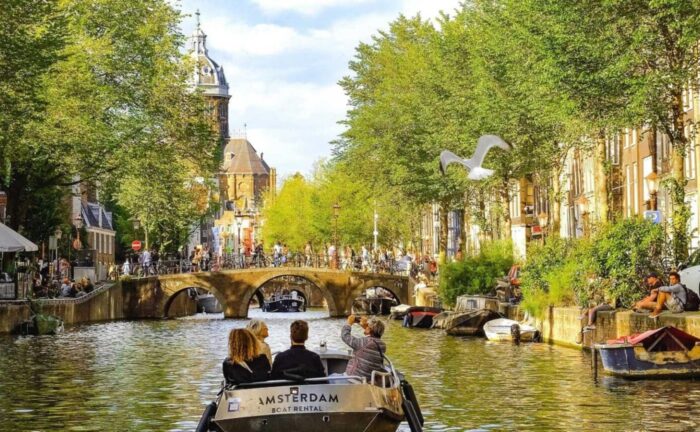
Amsterdam has launched a “Stay Away” campaign specifically targeting rowdy tourists and is drastically cutting the number of cruise ships allowed to dock. The city is also banning new hotels and restricting the sale of cannabis in certain areas to shift its image from a “party capital” back to a livable city. They are prioritizing the “quality” of visitors over the quantity.
4. Japan
To combat “tourist pollution,” Japan has begun charging entry fees for the popular Yoshida Trail on Mount Fuji and set a daily climber cap. In Kyoto, certain private alleys in the Gion district are now off-limits to tourists to protect geishas from being harassed for photos. Japan is trying to balance its post-pandemic travel boom with the traditional “omotenashi” (hospitality) that is being strained by crowds.
5. Greece
Greece is implementing a cap on cruise ship passengers for popular islands like Santorini and Mykonos starting in 2025 and 2026. The government is also introducing a “climate crisis resilience fee” for hotel stays to help fund infrastructure repairs and environmental protection. These moves are a response to extreme overcrowding that threatens the islands’ water supplies and local charm.
6. Iceland
After a decade of explosive growth, Iceland has reinstated its tourism tax to fund the preservation of its delicate volcanic landscapes. Popular sites like the Reykjadalur hiking trail have faced temporary closures to allow the soil to recover from heavy foot traffic. The government is shifting its focus toward “high-value” tourists who stay longer and respect the environment.
7. Bhutan
Bhutan remains the gold standard for “high-value, low-impact” tourism by charging a mandatory Sustainable Development Fee (SDF) of $100 per day for most visitors. This steep price tag is designed to keep visitor numbers low while ensuring tourism directly funds the country’s carbon-neutral goals and free education. It effectively “closes” the country to budget travelers to preserve its unique Himalayan culture.
8. Peru
Machu Picchu has seen its daily visitor capacity slashed and now requires all tourists to follow strict, timed circuits accompanied by a guide. These restrictions are in place because the sheer weight of millions of feet was causing the ancient stone structures to shift and degrade. Without these caps, UNESCO warned the site could be placed on the “at-risk” heritage list.
9. Indonesia (Bali)
Bali has introduced a mandatory tourist levy for all international arrivals to help manage the island’s waste crisis and preserve its cultural heritage. Local officials have even discussed a moratorium on new hotels and villas in overdeveloped areas to prevent the island’s “concretization.” The focus is on curbing the behavior of “problematic” tourists who disrespect local religious customs.
10. Croatia
Dubrovnik has limited the number of cruise ships allowed to dock per day and introduced “Clear the Caves” style regulations for its historic Old Town. The city is also cracking down on new private rental permits to help locals find affordable housing within the city walls. They are fighting to remain a functional city rather than just a movie set for “Game of Thrones” fans.
11. Ecuador (Galapagos Islands)
The Galapagos National Park has significantly increased its entry fee—doubling it for many—to limit the number of visitors to the fragile archipelago. Tourists must be accompanied by authorized guides at all times, and motorized water sports are strictly prohibited to protect the unique wildlife. These rules ensure that the islands remain a sanctuary rather than a crowded resort destination.
12. France
While France remains the most visited country in the world, the government has launched a “de-marketing” strategy to encourage people to skip Paris and visit lesser-known regions. Some areas, like the Calanques National Park in Marseille, now require a reservation just to step onto the beach. It’s a direct effort to prevent the environmental “suffocation” of France’s most beautiful natural spots.
13. Cambodia
Angkor Wat has implemented strict visitor controls, including “no-go” zones within certain temples to prevent the erosion of ancient carvings. The site uses a ticketing system that limits the number of people allowed to watch the famous sunrise, reducing the “stampede” effect. These measures are vital for the structural integrity of the 12th-century sandstone monuments.
14. Nepal
Nepal has introduced new rules for Mount Everest, including a requirement for climbers to bring back their own waste and pay higher permit fees. There are ongoing discussions about moving the base camp and further limiting the number of permits to address the “human traffic jams” in the Death Zone. This is as much about climber safety as it is about environmental preservation.
15. Antarctica
The Antarctic Treaty parties are moving toward much stricter regulations as tourist numbers have spiked to over 120,000 annually. Proposed limits include restricting the size of ships allowed to land passengers and capping the total number of people on shore at one time. The goal is to prevent the introduction of invasive species and protect one of the world’s last true wildernesses.

Comments RSS Feed